

.svg)
Worldprism™
A 45 question cultural assessment

A 45 question cultural assessment

Insights for 100+ countries

AI Scenario practice and CultureFlex scoring


For up to 500 people 60-90 mins

For up to 24 people 2-8 hours, live or virtual
For 1:1 development that's personalized


Set your new hires up for success

Build high-performing cross-cultural teams

Enhance global team collaboration

Accelerate collaboration across borders

Sync up your global teams

Make healthcare work for everyone

Empower students, faculty, and staff


Half of respondents said trust and collaboration are where cultural differences make the biggest impact. The other half pointed to communication styles as the critical area where culture plays out most visibly.
The truth is, both answers are right. And that's exactly the point.
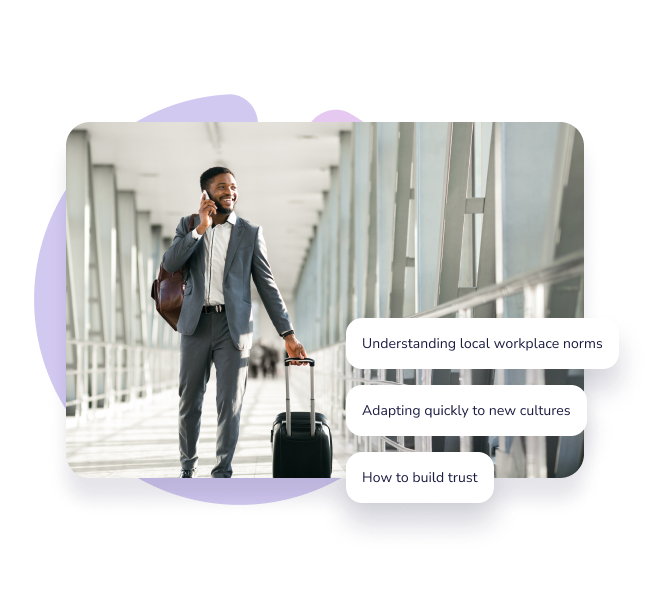
Trust and communication aren't separate issues in cross-cultural teamwork. They're deeply connected. The way we communicate shapes how trust develops, and the level of trust in a team influences how openly people communicate.
In some cultures, trust is built through personal relationships and shared experiences over time. In others, trust comes from demonstrated competence and reliable delivery. Some teams communicate directly and explicitly, while others rely on context, subtle cues, and reading between the lines.
When global teams struggle, it's often because these fundamental differences go unrecognized.
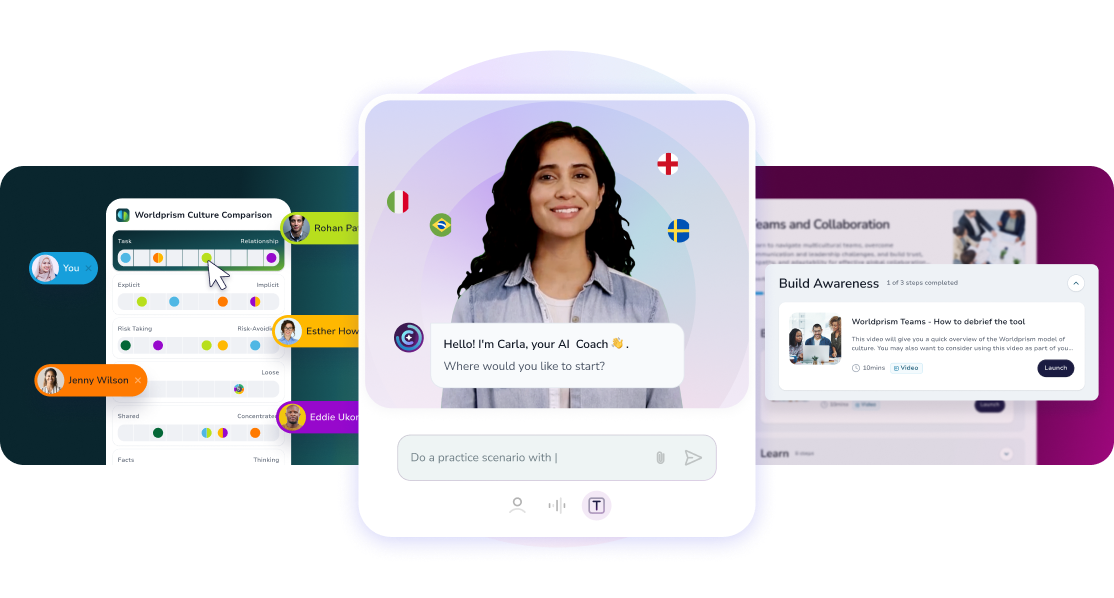
A direct communication style might seem aggressive to someone from a high-context culture. A relationship-focused approach to building trust might feel inefficient to someone used to task-oriented teamwork. This is where our Worldprism™ assessment and CultureFlex make a huge difference to achieving enhanced collaboration and performance in teams.
-1.png?width=600&height=649&name=intro-graphic%20(2)-1.png)
As we move into 2026, it's worth reconsidering how we think about cultural intelligence in the workplace. Understanding how different cultures build trust and communicate isn't a "nice to have" capability. It's not a soft skill that can be addressed later, after the real work is done. It's the foundation that makes everything else possible, and when companies don't invest in this skill, it could cost millions.
Global teams that navigate cultural differences effectively don't just avoid misunderstandings. They unlock diverse perspectives, make better decisions, and create environments where everyone can contribute their best work. Teams that struggle with cultural dynamics often face challenges that seem to come from nowhere: projects that stall, conflicts that escalate, talented people who disengage. The difference often comes down to whether team members understand the cultural factors shaping their interactions.
So where should you focus your energy this year? Should you invest in building stronger cross-cultural trust, or work on adapting communication styles across your diverse team?
The answer might be both. But start with awareness. Pay attention to where friction shows up on your team. Notice the moments when collaboration feels effortless and when it feels strained. Ask Carla, our AI culture coach, questions about the cultural dynamics at play.
Building effective global teams is an ongoing process, not a one-time training deck. It requires curiosity, humility, and a willingness to adapt. The good news is that small shifts in understanding can create significant improvements in how teams work together.
At Country Navigator, we help organizations develop the cultural intelligence their teams need to thrive in global environments. Because in an increasingly connected world, the ability to work effectively across cultures isn't just an advantage. It's essential.
With more than 30 years of experience supporting over one million people globally, we are committed to driving meaningful change. Ready to scale without stumbling? Speak to us today.

GET STRATEGIC INSIGHTS DRIVING ENTERPRISE GROWTH WORLDWIDE.
Join companies already using Country Navigator


COMMENTS